
Warm takeaway orders
Test the closed pack after a typical journey to check steam, leaks and panel strength.
Plan each container around pickup, delivery and the way meals are handed over.
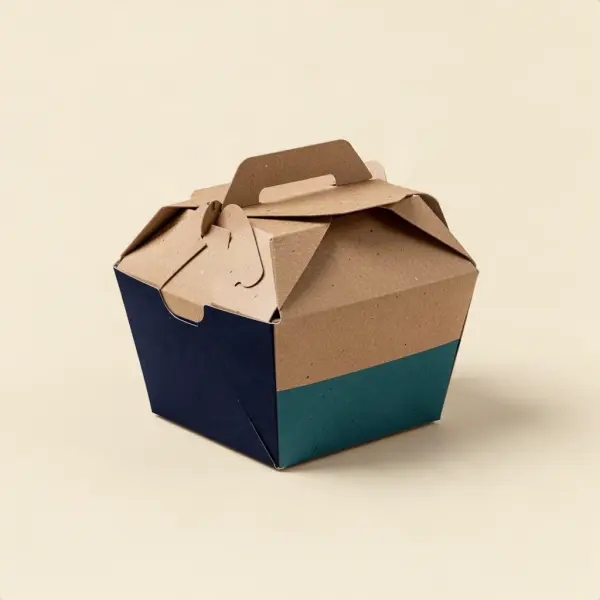
Test the closed pack after a typical journey to check steam, leaks and panel strength.
Keep labels on flat surfaces and trial how staff close and carry a complete order.
Check how heat, condensation and sauces affect the packed meal. Trial a filled order over a representative delivery route.
Sort menu items by temperature, moisture and serving style before selecting formats. An upright bowl with dressing needs a different handoff from a dry sandwich or a meal with separate sides. Decide how items will fit together in the bag and leave room for a label the courier can read.
Close a typical order, load it into the bag and carry it along a representative route. Open it after the expected journey and check for condensation, movement and soft spots where liquid collected. Repeat the trial with the largest order you expect staff to stack.
Choose a closure staff can assemble quickly while the counter is busy. Consider which surfaces can carry order IDs and allergen labels supplied by the restaurant. Use consistent formats across your menu where the fit works, and reserve separate formats for items with a distinct handling requirement.
Include portion dimensions, the number of items per order, typical holding time and whether a liner will be used. Ask which material specifications and food contact documentation apply to your use. Send quantity ranges per design and say whether the artwork is shared across locations.
List the menu items, portion sizes, expected holding time and whether the carton makes direct food contact.