
Shelf dimensions and replenishment
Measure the available display space and test removal when the tray is partly empty.
Plan shelf and counter displays around item visibility and replenishment.
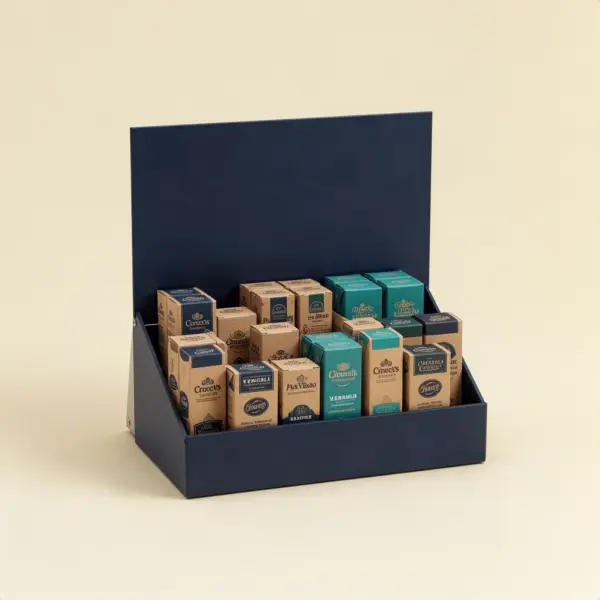
Measure the available display space and test removal when the tray is partly empty.
Try any tear-away panels on the filled carton after representative shipping and handling.
Send the number of items displayed, their dimensions and the available shelf height and depth.
Measure the display footprint, available height and the space staff need to replenish it. Arrange the products so customers can remove one item without disrupting the rest. Check whether the product front still reads clearly when the display is partially empty.
If one box is intended to serve as a shipper and then convert into a display, test the loaded carton in both roles. Check tear-away areas after transit and ask store staff to open one. Assess how the remaining structure supports the products when the top is removed.
Place instructions, product identifiers and branded areas on panels that stay visible once staff stock the display. Confirm which sides customers can approach. For several versions, use clear identifiers for the store team so artwork and product assortments do not get mixed.
Send item sizes and weights, unit count per tray, placement photos and intended shipping conditions. Ask for a filled sample and review how quickly the display can be opened and restocked. If artwork changes by retailer or campaign, separate the print quantities in the brief.
Confirm both transit and display requirements and test any tear-away panels before production.