
Shipping protection
Share the packed weight and dimensions, then test the approved carton with the actual product and insert.
Plan a fluted board structure around your packed weight, shipping route and stacking requirements.
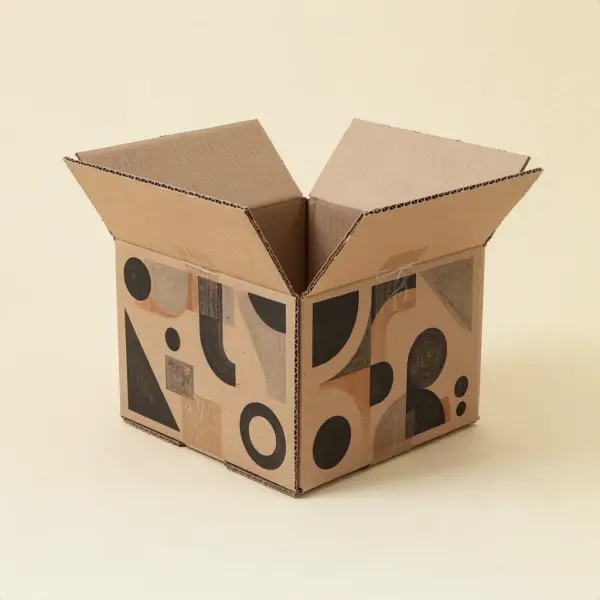
Share the packed weight and dimensions, then test the approved carton with the actual product and insert.
Describe how boxes are stacked, stored and carried in transit to assess the structure and closure together.
Understand the difference between a paper finish and a structural board before specifying a box.
Read the guide →Corrugated board uses a fluted layer between liners. Start with the complete packed shipment and describe how the filled carton will be carried, shipped and stacked. Those conditions help determine a suitable board and box structure.
Record the dimensions and weight with inserts, dividers and accessories in place. Identify heavy or fragile areas and explain whether the box ships on its own or inside a master carton.
Check artwork on the intended surface. Compare colour and legibility, especially for fine type and shipping labels. Include the closure, pack orientation and any stacking instructions when you request a sample.
Explore corrugated boxes, compare kraft and corrugated packaging, or send your brief through the quote form.
A self-locking mailer can suit a parcel with a tidy opening experience. A shipping carton may provide more room for multiple items or protective inserts. Corrugated dividers can help keep individual products apart when they travel in one pack. Compare the loaded samples with the same product and handling route.
Draw a simple packing diagram with product orientation, the number of units and the placement of dividers. Explain whether cartons are stacked at a warehouse, transported on pallets or delivered as individual parcels. A finished trial can reveal bowing, corner damage and poor fit that a flat board swatch cannot show.
Make space for shipping stickers, product codes and any handling information. Keep important artwork on flat, visible panels. Review the print on the chosen liner to see how light ink colours and fine detail will appear once the pack is folded and sealed.
Record the packed weight, usable internal dimensions and any parts damaged or likely to move. Ask for the board and box construction to be written on the quotation so different options can be compared. Keep an approved sample for future production and reorder checks.
A mailer, a regular shipping carton and a divider each address a different part of the packing job. Ask for comparable quotations using the same loaded weight, order quantity and intended route. The chosen combination should let staff pack quickly, keep the product stable and remain easy to identify after the carrier label is applied.
Choose around the load, box dimensions and shipping environment. Test the filled carton before committing to a run.
Yes. Corrugated describes the fluted structure. Kraft can be specified as a liner. Proof branded artwork on the chosen liner before approval.